
 Follow on X
NATO Summit Highlights Growing Divide Over Ukraine, Defense Spending, and Trump’s Vision for the Alliance
As Ukraine’s war drags on, President Trump pushes for peace negotiations and greater burden-sharing while NATO leaders call for a sweeping military expansion, exposing a widening debate over the alliance’s future.
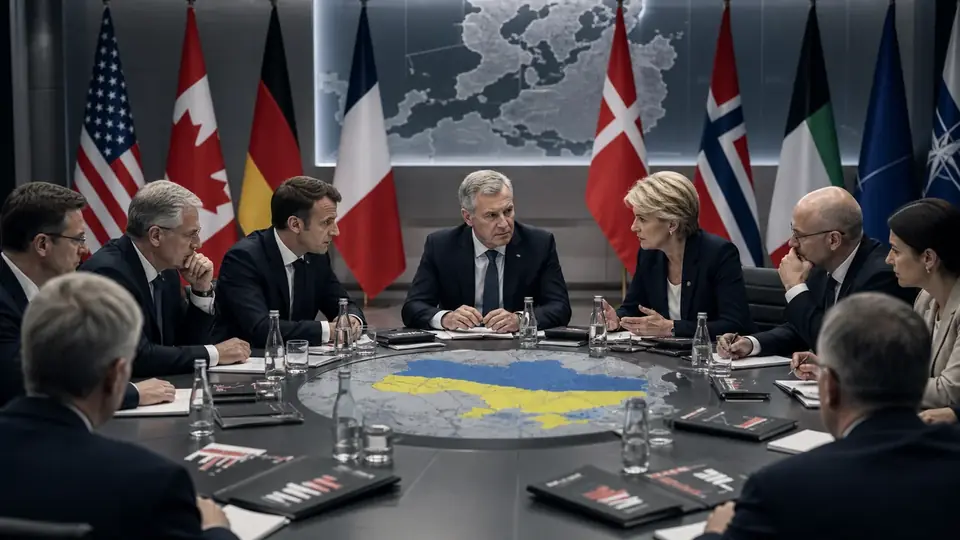
As world leaders gather for the NATO summit in Turkey, the event has all the familiar hallmarks of previous meetings, handshakes, photo opportunities, and declarations of unity. But beneath the ceremonial optics, a deeper shift appears to be unfolding.
This year’s summit is not simply focused on deterring Russia. Increasingly, attention is centered on President Donald Trump and how his vision for NATO could reshape the alliance’s future.
Ukraine Remains the Central Issue
The war in Ukraine continues to dominate discussions as Russia maintains pressure along the front lines and Ukraine faces mounting manpower shortages, financial strain, and continued territorial losses.
Despite the difficult battlefield conditions, Trump has continued to express optimism that a negotiated peace agreement may be closer than many observers believe. His emphasis has remained on ending the conflict rather than expanding long-term military commitments.
That approach contrasts sharply with NATO Secretary General Mark Rutte’s message at the summit. Rutte has called for what he describes as a “defense revolution,” urging member states to dramatically increase defense spending, strengthen military coordination, and prepare for future conflicts.
The contrast illustrates two competing priorities: NATO leadership is focused on expanding military capabilities, while Trump continues to emphasize ending what he views as an increasingly costly war.
Turkey’s Growing Importance
One of the summit’s most significant developments involves Turkey.
For years, Turkey was excluded from the F-35 fighter program after purchasing Russia’s S-400 air defense system, prompting U.S. sanctions and its removal from the multinational aircraft project.
Now, that position appears to be changing.
Trump has publicly indicated he is open to restoring Turkey’s participation in the F-35 program and reconsidering sanctions imposed over the S-400 purchase.
The move reflects a broader strategic calculation. Keeping Turkey closely aligned with NATO may now be viewed as more important than continuing to isolate one of the alliance’s most strategically located members.
Trump also emphasized the importance of his relationship with Turkish President Recep Tayyip Erdoğan, even suggesting that had the summit not been held in Turkey, he may not have attended at all.
Trump Questions NATO’s Commitments
While meeting alongside Erdoğan, Trump did not spend his remarks praising NATO.
Instead, he criticized European allies, saying he was disappointed by what he described as Europe’s lack of support for the United States during the recent conflict involving Iran.
His comments reflected a broader argument he has made for years that the United States has shouldered a disproportionate share of NATO’s security burden while many European allies have failed to meet their own commitments.
The underlying question Trump continues to raise is one previous administrations have largely avoided asking publicly: if the United States is expected to defend its allies, what obligations do those allies have when America requires assistance?
Political Pressures Across Europe
The summit also comes as several European leaders face significant political challenges at home.
Governments in countries such as the United Kingdom, France, and Germany have experienced declining public support and increasing domestic political pressure.
Against that backdrop, NATO is simultaneously discussing major new defense spending initiatives and large-scale procurement programs worth billions of dollars.
While there is no evidence that these discussions are motivated by personal political considerations, the expansion of defense spending inevitably raises questions about the long-standing relationship between governments and the defense industry, which has historically employed former senior political and military officials after they leave office.
A Difficult Reality for Ukraine
As Ukrainian President Volodymyr Zelensky addressed NATO leaders, he emphasized Ukraine’s continued resilience and battlefield achievements.
However, the broader military situation remains challenging.
Russia continues to apply sustained pressure, Ukraine faces ongoing personnel shortages, and the financial and military costs of the war continue to rise.
Should Russia intensify its offensive while the United States reduces its level of involvement, NATO could face one of the alliance’s most significant strategic tests since the conflict began.
A Fundamental Debate About NATO’s Future
Perhaps the most significant takeaway from the summit is the broader debate now taking place over NATO itself.
Trump has consistently argued for fewer open-ended American commitments, greater accountability among allies, and increased European responsibility for the continent’s defense.
Those positions raise difficult questions that have become increasingly central to NATO’s future:
What obligations does NATO owe the United States?
How long should American taxpayers continue bearing the largest share of Europe’s security costs?
How does an “America First” foreign policy fit within an alliance built on collective defense?
These questions are now at the center of discussions surrounding the alliance.
Regardless of where member nations ultimately land, the debate reflects a significant shift in U.S. foreign policy. The future of NATO may depend not only on how it responds to Russia, but also on how it responds to an American president who is challenging many of the alliance’s long-standing assumptions.